01Cyber-risk SaaSInsurance2026
Launching an AI risk product into a market with no shared view of the risk
The short version
- Problem
- A new AI risk capability, in a market that was loud about the risk but had no shared view of it.
- Insight
- Nobody could assess AI risk or agree how to cover it. What everyone wanted was visibility.
- What I did
- Interviewed the market, wrote the white paper, and ran the briefing, webinar, and launch on that narrative.
- Result
- 11 meeting requests in launch week, on £1.4k spend.
The full story
We started with noise, not a story
A cyber-risk intelligence company selling to insurers was launching an AI risk detection capability.
Sales was hearing a lot about AI risk, but the market had no shared view of it, and neither did we. So we listened before writing anything.
Five interviews, one clear thread
With a colleague, I interviewed five insurance organisations: one carrier, three specialty MGAs, and one major broker. I wrote the questions, ran the interviews, and used Claude to find the threads across the transcripts.
Two of the MGAs had strong views, but the picture was clear. Nobody could assess AI risk before the claims arrived, nobody agreed whether it should be its own line, and beyond a thin layer of common ground there was little consensus. The one thing everyone agreed on: the biggest gap was visibility.
“A lot of underwriters don't have the expertise to get into the black box of a platform.”Cyber practice leader, major broker
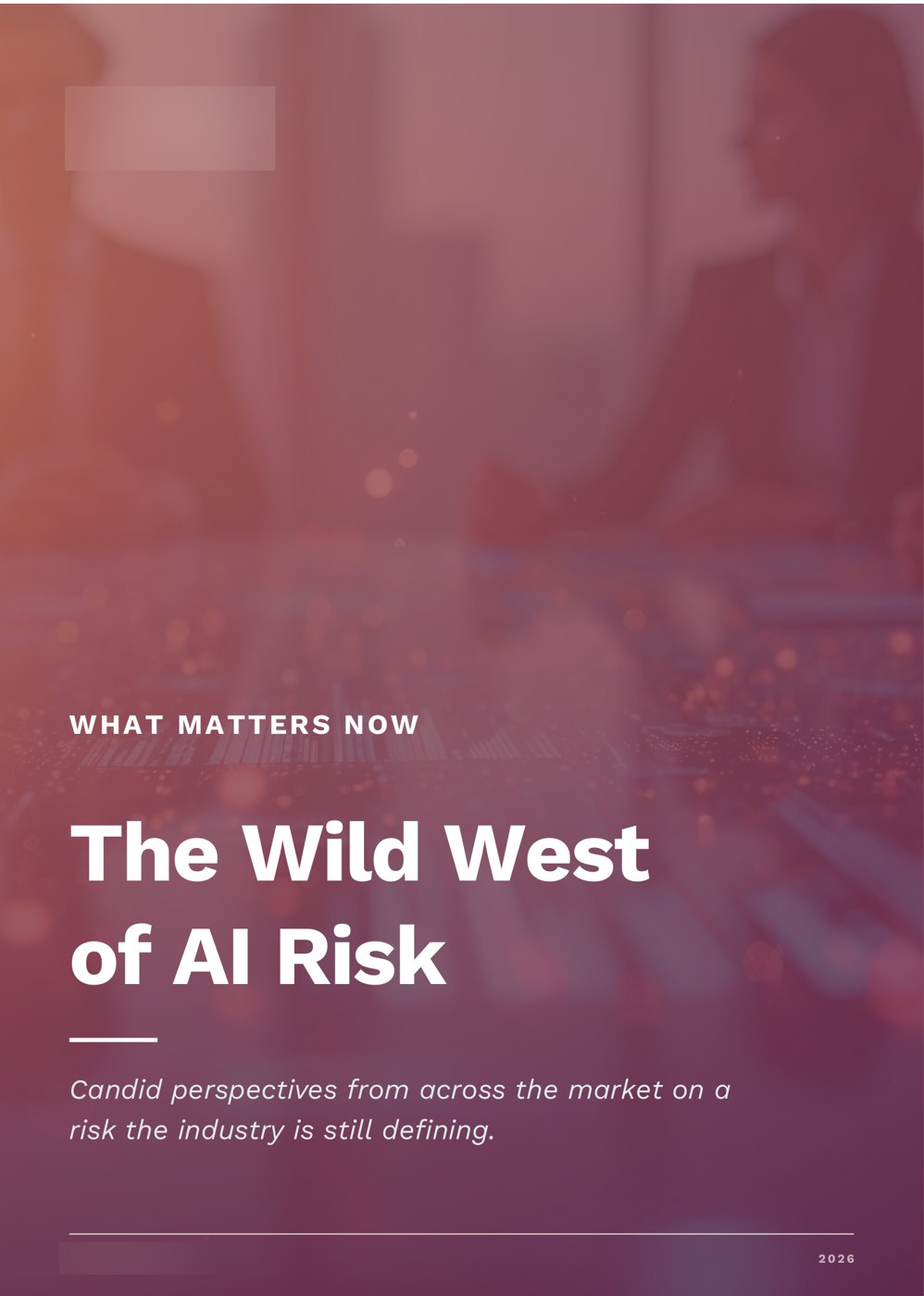
The white paper put it in the market's words
I wrote The Wild West of AI Risk from those interviews: candid perspectives from across the market, ending on the case for visibility. It drew 102 downloads.
A room of twelve tested it
I organised an invite-only briefing, built the deck, and secured the attendees: twelve senior people from the market. The room echoed the paper. Strong opinions, little consensus, and real interest in seeing the exposure.
The webinar took it wide
Then a partner webinar with a five-strong panel of carriers, MGAs, and brokers. I secured and coordinated the panellists, booked the dry runs, and ran the platform setup.
I built the landing pages and automations, and ran the ads and outbound that brought in 266 registrants.
Wild west, but visibility is key
By launch, the narrative had formed: AI risk is the wild west and nobody knows the answer yet, but whatever the answer, you need visibility.
It ran through our account-based programme to 179 target accounts. 36% engaged before launch, 11 meeting requests came in during launch week, and they are still in play. It became the company's highest-performing campaign to date, on £1.4k spend.
The work
How it built
- 102Research white paperdownloads
- 12Invite-only briefingsenior attendees
- 266Partner webinarregistrants
- 11Launchmeeting requests in launch week
The account-based programme the launch ran through, 2026 against 2025. A team result. I spearheaded it: the strategy, account targeting, tracking, and many of the campaign ideas.
What I'd do differently
I built the narrative deck, sales and CS cheat sheets, one-pagers, landing pages, and sales slides. But the market's story was fluffy, and so was ours internally. I'd push harder to get everyone behind one firm narrative before launch.